Regaining Facial Harmony After GLP‑1 Weight Loss
GLP‑1 medications like Ozempic and Wegovy can help you feel lighter, stronger, and more in control of your health. But after the weight comes off, the face does not always match how good you feel. Some people notice that their cheeks look flatter, the jawline looks softer, or the skin looks a bit older and tired.
That disconnect can feel frustrating. Your clothes fit better, you are more active, and you feel proud of your progress, yet every time you look in the mirror, your face tells a different story. This is where facial plastic surgery in Baltimore can play a helpful role. Thoughtful facial rejuvenation can restore balance, refine your natural features, and let your face reflect your healthier lifestyle without looking overdone or "worked on."
How GLP‑1 Weight Loss Changes the Face
When weight loss happens, the body does not get to choose where the fat comes from. GLP‑1 weight loss can reduce facial fat just like it does in the midsection or thighs. On the face, that can lead to changes such as:
- Loss of volume in the cheeks and temples
- Looser skin along the jawline, with early jowls
- Neck skin that looks softer or crepey
- Deeper lines around the nose and mouth
- Finer wrinkles becoming more visible
These changes can feel especially noticeable in late summer. Social events, more time outside, and bright sunlight can highlight shadows, lines, and sagging that indoor lighting tends to hide. Photos at barbecues, beach trips, or rooftop gatherings can make facial aging or deflation stand out more than before.
Not everyone develops what people call "Ozempic face." How your face changes may depend on:
- Age and natural skin elasticity
- Family traits and bone structure
- How much weight you lose and how fast
- Lifestyle habits like sun exposure, sleep, and smoking history
Some people end up with a nicely sculpted, lean look. Others see a sharper or even hollow appearance that does not feel like them at all. Both reactions are normal, and it is okay to want help restoring softer, more balanced contours.
Is It Time to Consider Facial Plastic Surgery in Baltimore?
Knowing when to look into facial plastic surgery in Baltimore is personal, but there are common signs that it might be worth a conversation with a board-certified plastic surgeon like Dr. Jeffrey E. Schreiber.
You may be ready to explore options if you notice:
- Jowls or loose neck skin that do not improve even after your weight has been stable
- Hollow cheeks or sunken temples that make you look tired, stressed, or unwell
- Sagging upper eyelids or puffy lower eyelids that make the eyes seem smaller
- Deeper smile lines and marionette lines that pull the face downward
Timing matters too. Facial surgery is generally best considered after your weight has stabilized and after an individualized consultation.
A thoughtful consultation should always focus on:
- Your health and safety, including your GLP‑1 history and overall medical background
- Realistic goals based on your skin quality and facial structure
- Choosing the least invasive approach that can still give you a clear, natural improvement
The goal is not to erase every line, but to help you look like a rested, healthier version of yourself.
Facial Procedures That Complement Weight Loss Results
Once your surgeon understands how GLP‑1 weight loss has changed your face, they can suggest a tailored combination of treatments. Common options that pair well with weight loss include:
Face and neck lift
A face and neck lift focuses on the deeper layers of the face, not just the skin. By gently tightening and repositioning these deeper tissues, a lift can:
- Redefine the jawline
- Reduce jowls
- Smooth loose neck skin
- Improve the junction between the chin and neck
The aim is for you to still look like you, just fresher and more supported, with normal facial movement and expression.
Eyelid surgery and brow rejuvenation
The eye area often shows weight loss and aging at the same time. Upper or lower eyelid surgery can remove or reshape extra skin and fat, which can:
- Open up heavy or hooded upper lids
- Reduce under-eye bags or puffiness
- Soften a constant "tired" look
In some people, a conservative brow lift can help lift a low or flat brow, so the upper face matches your new slimmer profile without looking surprised or pulled.
Fat transfer and fillers
Volume loss is a key part of "Ozempic face." Fat transfer uses your own fat from another area of the body, cleaned and carefully injected into areas like the cheeks, temples, or around the mouth. This can:
- Restore soft, youthful curves
- Support the skin from underneath
- Blend with your natural tissues for a soft feel
Injectable fillers can play a role too, especially for subtle refinement, but the focus is always on avoiding an overfilled or artificial look. The goal is gentle, strategic volume where the face needs it most.
What to Expect From a Consultation with Dr. Schreiber
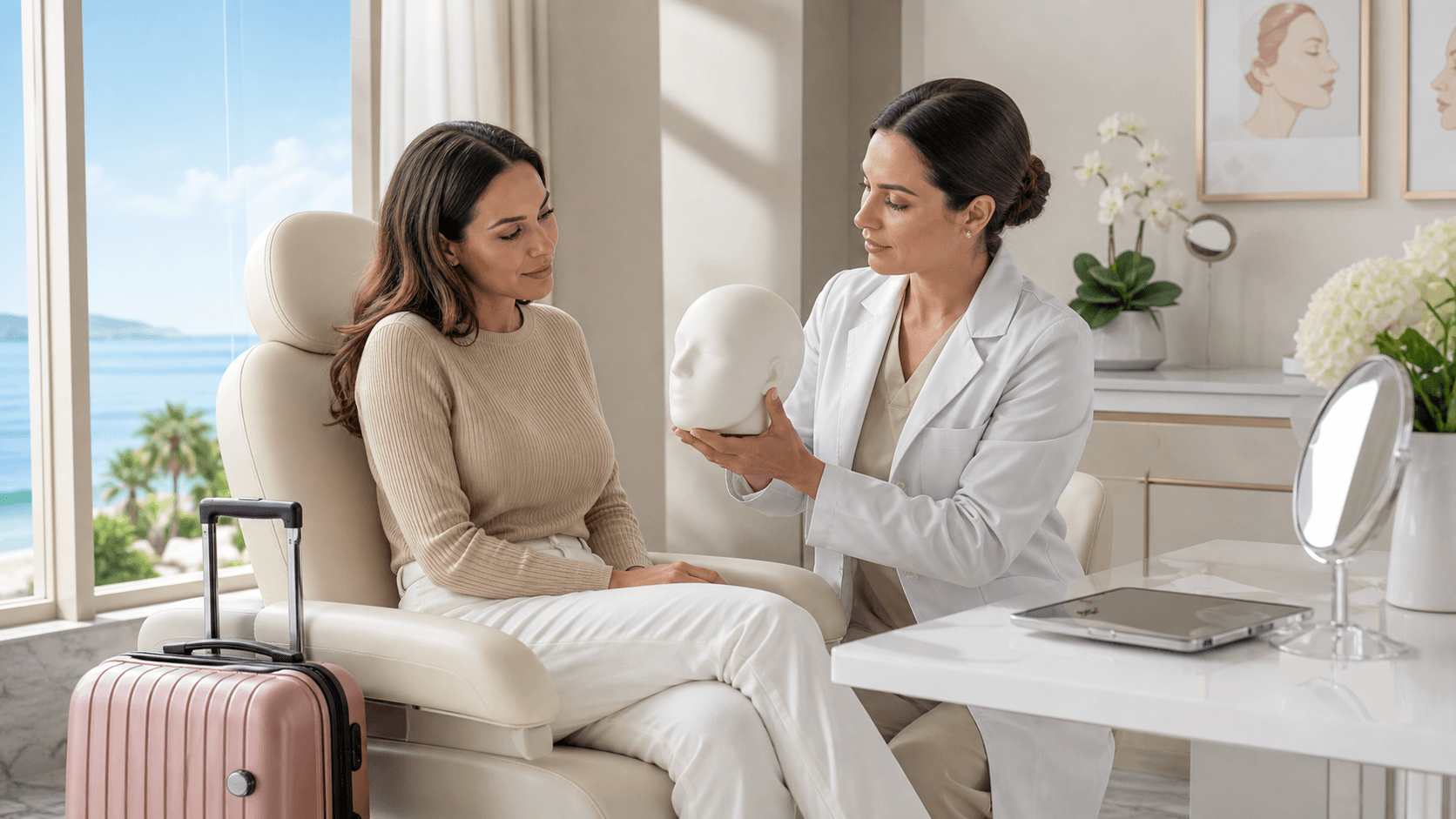
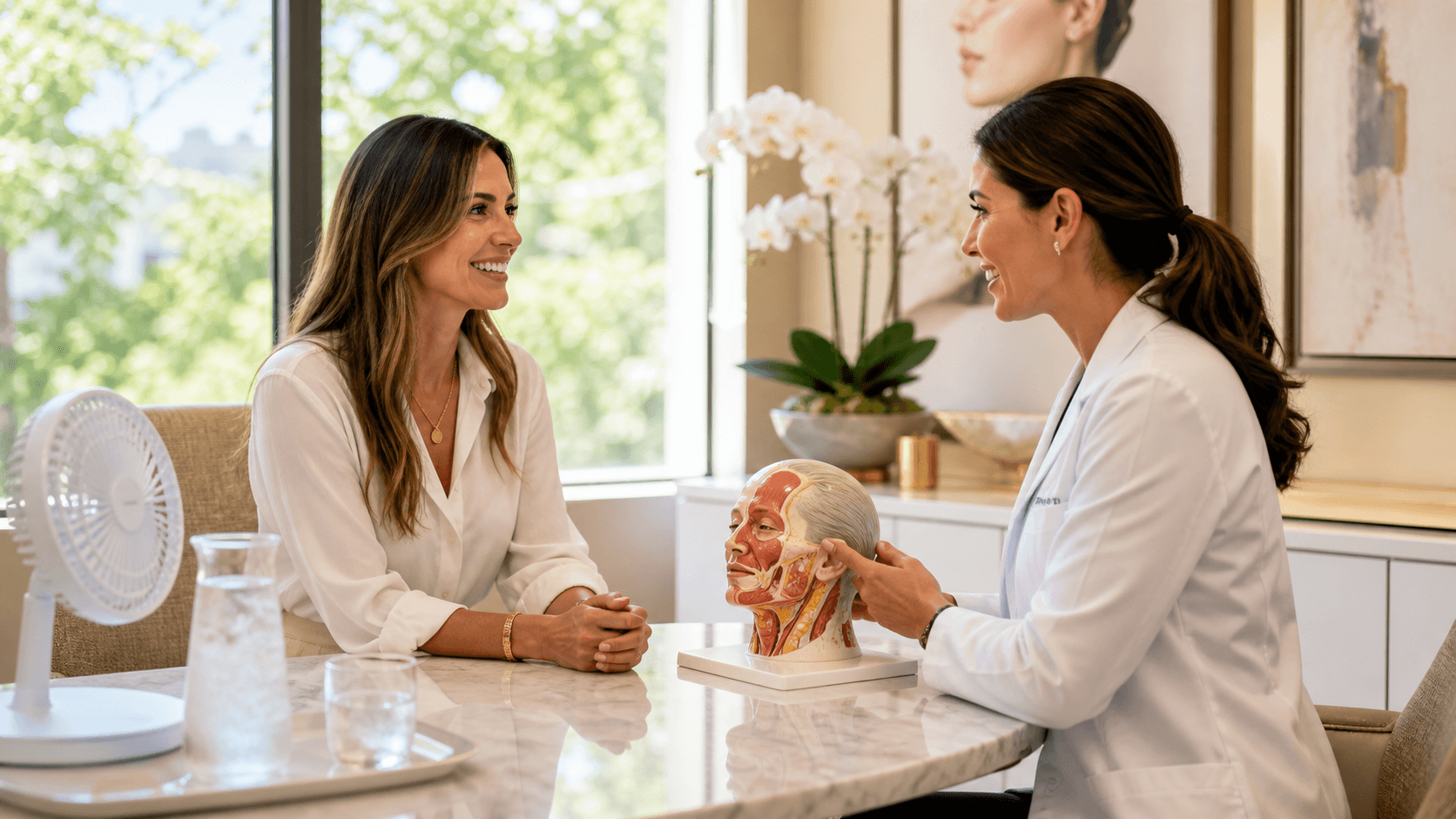
When you visit Baltimore Plastic Surgery with Dr. Jeffrey E. Schreiber, we take time to understand the full picture. That includes your GLP‑1 journey, other weight-loss methods you may have used, and any relevant medical conditions.
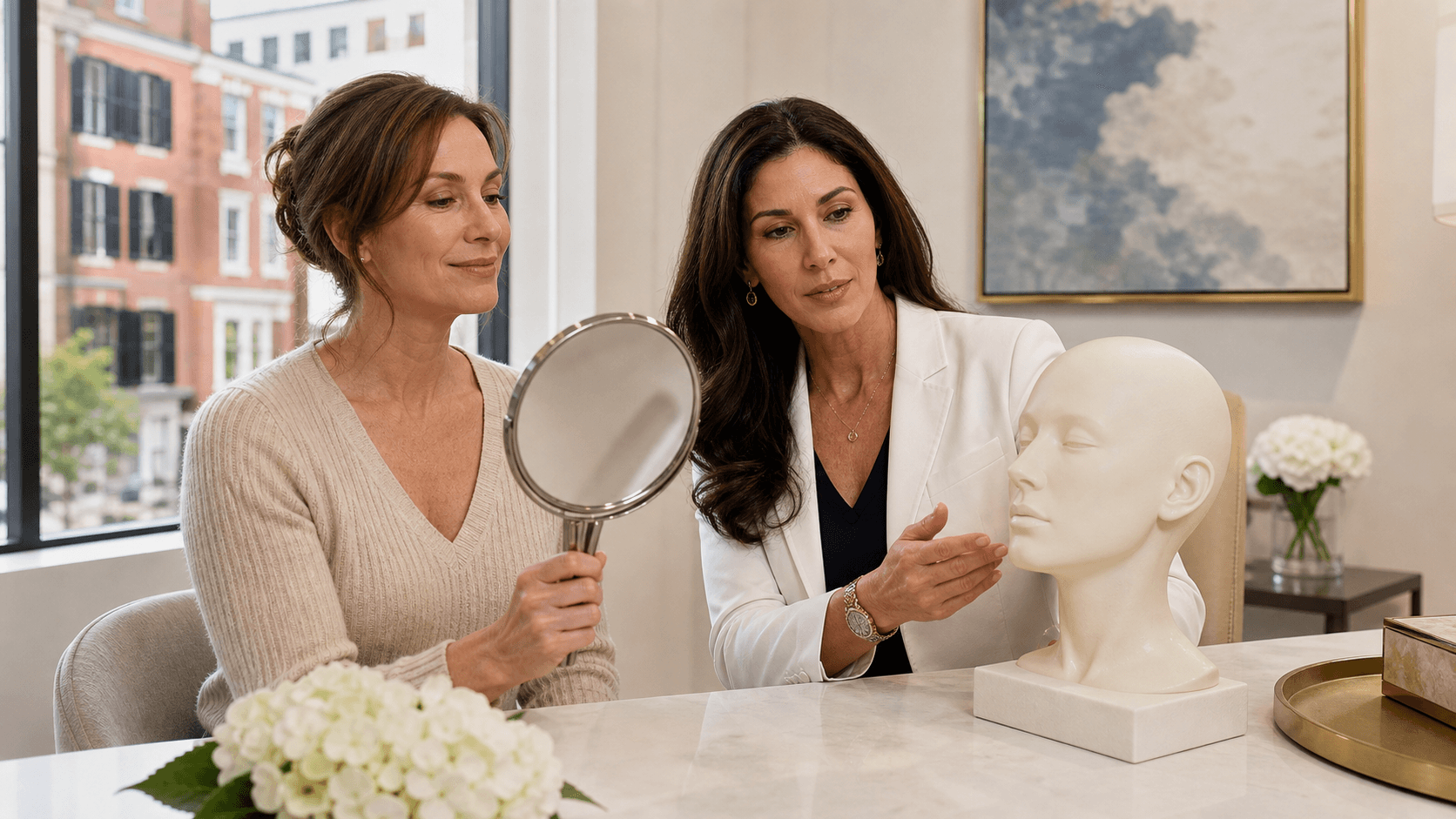
A typical consultation includes:
- A detailed review of your weight-loss history and current medications
- A careful facial exam, including skin quality, muscle tone, and bone structure
- A discussion of what bothers you most when you look in the mirror
- Photos to help with planning and tracking changes
From there, we create a customized plan that may include surgical and nonsurgical options. Dr. Schreiber focuses on natural-looking results, using modern techniques and thoughtful incision placement to keep scars as discreet as possible.
Our care team will provide individualized preoperative and postoperative instructions when appropriate.
Thoughtful facial rejuvenation after GLP‑1 weight loss can restore facial balance by addressing volume loss, skin laxity, and changes in contour. At Baltimore Plastic Surgery with Dr. Jeffrey E. Schreiber, personalized treatment planning focuses on natural-looking results that help your face reflect your health and confidence.
Refresh Your Look With Expert, Personalized Care
If you are ready to explore options that match your goals and lifestyle, we invite you to learn more about facial plastic surgery in Baltimore with Baltimore Plastic Surgery with Dr. Jeffrey E. Schreiber. Our team will walk you through every step so you feel informed, confident, and comfortable with your choices. To schedule a consultation or ask questions about specific procedures, please contact us and let us help you plan your next steps.