Stay Cool and Confident After Summer Tummy Tuck Surgery
Having a tummy tuck in Baltimore can feel exciting, especially when summer outfits and beach days are on your mind. At the same time, our hot, humid weather can make recovery a bit tricky if you are not prepared. The good news is that with smart planning and good daily habits, you can protect your results and still enjoy the season.
Recovery from a tummy tuck is a process, not a single moment. You will see changes week by week, and your body needs time to heal, settle, and shape. By understanding how heat, swelling, scar care, compression, and timing all work together, you can feel more in control. At Baltimore Plastic Surgery, Dr. Jeffrey E. Schreiber and our team help patients plan for a safer, more comfortable recovery, even in the middle of a Baltimore summer season.
Managing Baltimore Heat and Humidity During Recovery
Summer heat and humidity can affect how your body heals. Extra warmth can increase swelling, and heavy sweating under your compression garment can irritate your skin and incision area. If you get overheated or dehydrated, you may feel more tired, lightheaded, or uncomfortable, especially in the first few weeks after surgery.
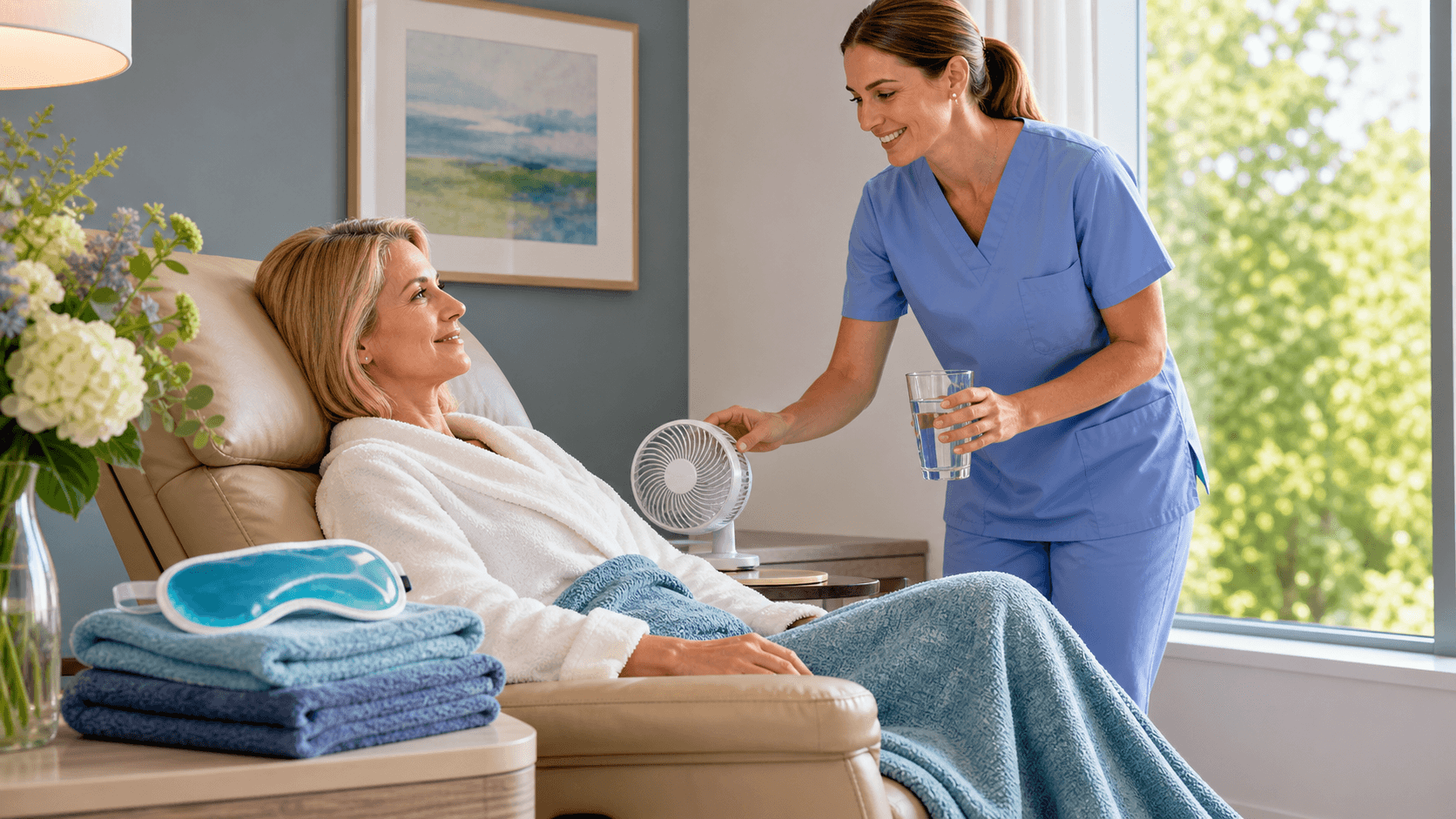
Set yourself up with a cool recovery space at home. Simple steps can make a big difference, such as:
- Using AC or fans to keep your room comfortable
- Choosing breathable cotton sheets and a light blanket
- Wearing loose, soft clothing over your compression garment
- Keeping water nearby to sip often
For circulation, we usually want you to take short, gentle walks, but summer sun in the middle of the day is not your friend right after surgery. Try walking in the early morning or later in the evening when it is cooler and the sun is not as strong. Stay close to home at first so you can sit or lie down if you feel tired.
Most patients can step outside for very light activity within the first couple of weeks, as long as they avoid long periods in the heat. Shade, short outings, and lots of fluids are key. Your exact timeline depends on how your body heals, so follow the plan you make with Dr. Schreiber and slow down if your body is asking for rest.
Controlling Swelling and Staying Comfortable All Summer
Swelling is a normal part of healing after a tummy tuck. It is common to feel tightness and fullness in the lower abdomen, especially in the first several weeks. The area may feel firm, and the swelling can come and go a bit with activity, salt intake, and heat. It can take months for all the swelling to settle as your body adjusts to its new contour.
What is not normal are warning signs like sudden swelling on just one side, sharp or worsening pain, spreading redness, or drainage that looks concerning. Those changes deserve a call to our office so we can check on you and keep you safe.
There are simple, summer-friendly ways to help manage swelling:
- Rest with your upper body slightly raised and your hips gently bent
- Use pillows under your knees so your abdomen does not feel stretched
- Take short, frequent walks instead of long, intense outings
- Avoid standing still for long periods, such as in lines or at outdoor events
Cold compresses, if cleared by Dr. Schreiber, can feel soothing, but they should never go directly on the incision and should be used only as directed.
Hydration is especially important in Baltimore's heat. Dehydration can make you feel weak and may slow healing. Aim for steady water intake throughout the day, and be cautious with sugary drinks or alcohol, which can work against you. Many patients feel better when they keep meals light but nutrient-dense, focusing on:
- Lean protein like poultry, fish, eggs, or beans
- Colorful fruits and vegetables rich in antioxidants
- High-fiber options to reduce bloating
- Lower-salt choices to avoid extra fluid retention
Compression Garments and Scar Care in Hot Weather
A good compression garment is one of your best tools after a tummy tuck in Baltimore. It helps control swelling, supports your new shape, and can even make movement feel more secure. Summer heat can make wearing it feel challenging, but a few tricks can help.
You can try moisture-wicking, seamless underwear or a thin, soft layer under your garment to absorb sweat and protect your skin. Rotate clean garments when you can so you are not putting a damp piece back on your body. Staying in air conditioning and using fans, especially when you sleep, can make the garment feel more comfortable.
To avoid rashes and irritation:
- Gently wash the skin and pat dry, do not rub
- Pay attention to any spots where the garment feels too tight or is digging in
- Follow the fit and wear-time instructions you receive after surgery
- Do not cut or alter your garment without checking with us first
As your incision heals and becomes a scar, care shifts a bit. At first, your focus is on keeping the area clean and protected. Later, once we tell you it is safe, you may begin topical scar treatments that we recommend for you. New scars are very sensitive to sunlight, especially in their first months. Without good protection, they can darken, widen, or become more noticeable, which is the opposite of what most people want after a tummy tuck.
Sun Protection and Safe Return to Pool and Beach
Many patients ask when they can swim again. The key rule is that your incisions must be fully closed and healed before you go into a pool, hot tub, the Chesapeake Bay, or the ocean. Water, especially in public pools and natural bodies of water, can carry bacteria. Getting into the water too soon can raise the risk of infection and delay healing, even if the incision looks "pretty good" on the surface.
We will guide you on when it is safe for you personally, but we generally want to see good incision healing and clearance from Dr. Schreiber before you plan swim days. Hot tubs are often last to be allowed because the hot water can increase swelling and infection risk.
Once you are cleared for full sun exposure on healed incisions, consistent protection is key. Choose a broad-spectrum sunscreen with strong SPF and reapply often, especially if you are at the beach or pool, sweating, or going in and out of the water. To protect scars and your abdomen even more, think about:
- High-waisted swim bottoms that cover your scar line
- Rash guards or swim shirts for long sun days
- Flowy cover-ups when you are not in the water
- A wide-brimmed hat and shade breaks during peak sun hours
Your return to beach and pool activities should be gradual. Early visits may simply be short, relaxing outings where you sit under an umbrella, keep cool, and enjoy the view. As healing continues and your strength returns, you can add light walking on flat sand, then gentle swimming, as long as you are cleared and feel stable. Core-heavy sports like strong swimming, surfing, or beach volleyball usually need to wait until later, even if you feel eager. Your inner muscles need time to recover.
Planning a Safe, Enjoyable Summer with Your New Contour
Good planning makes a big difference for summer recovery. Many people find it helpful to think about timing before surgery, such as when vacations, weddings, or family events are coming up. This allows enough healing time so you can be present and comfortable, instead of worrying about compression garments and fresh incisions while you are trying to relax.
Creating a simple recovery calendar can help you feel more confident. You might mark down follow-up visits, expected changes in garment use, when you hope to start very light outdoor time, and when you would like to be ready for a beach or pool visit. As your body heals, we can adjust that plan together.
At Baltimore Plastic Surgery with Dr. Jeffrey E. Schreiber, we encourage ongoing communication. Let us know if swelling seems different, if you are unsure about an activity, or if summer weather is making recovery harder. Following your personalized instructions about compression, scar care, sun protection, and exercise helps protect your long-term results and keeps your new contour looking its best through many summers to come.
Take The Next Step Toward A Flatter, Firmer Abdomen
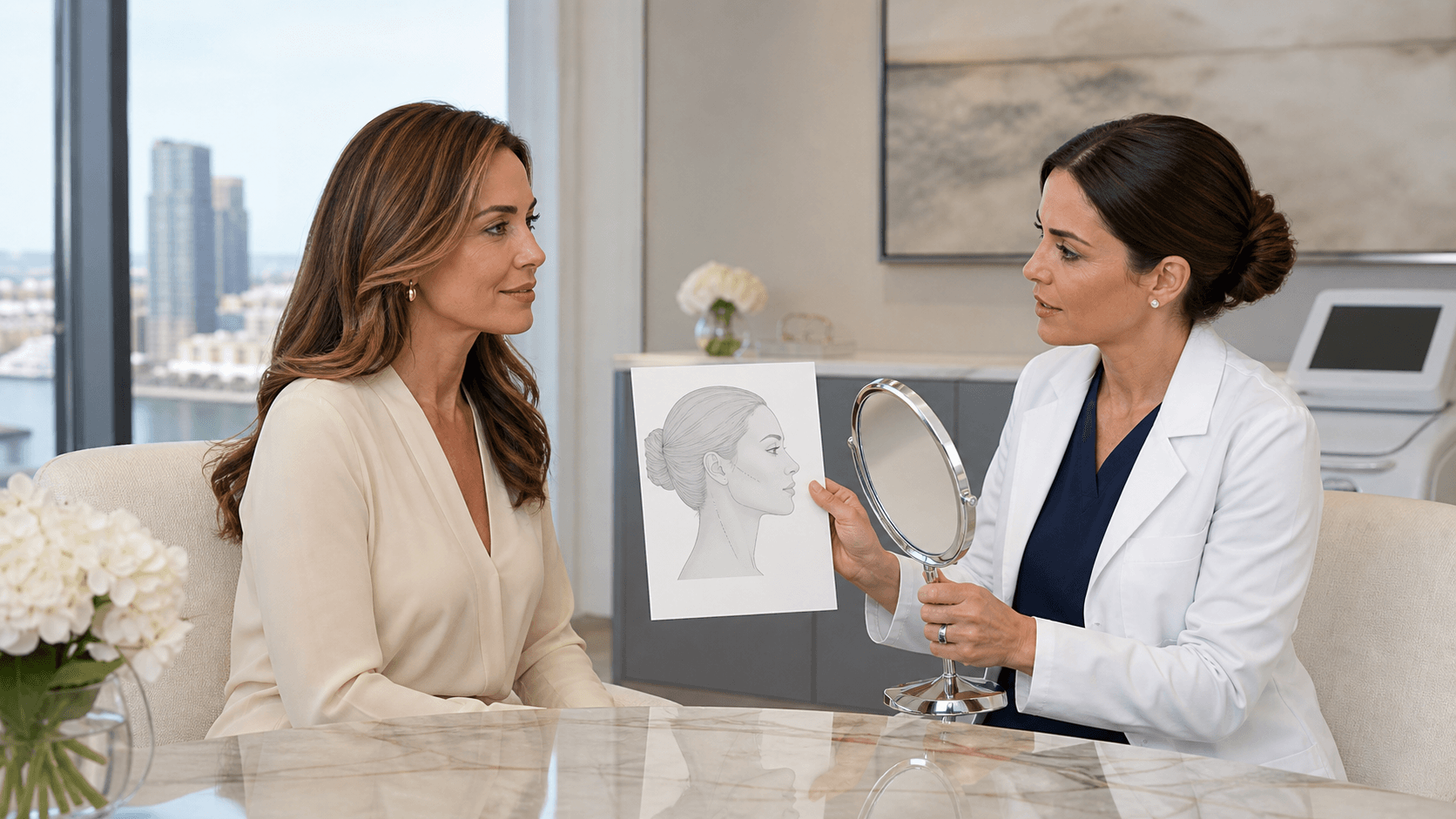
If you are ready to address loose skin and restore a more confident silhouette, we invite you to explore how a tummy tuck in Baltimore with Baltimore Plastic Surgery with Dr. Jeffrey E. Schreiber can help. Our team will listen to your goals, evaluate your needs, and design a surgical plan tailored specifically to you. To schedule a personal consultation or ask questions about your options, simply contact us and we will guide you through every step of the process.